

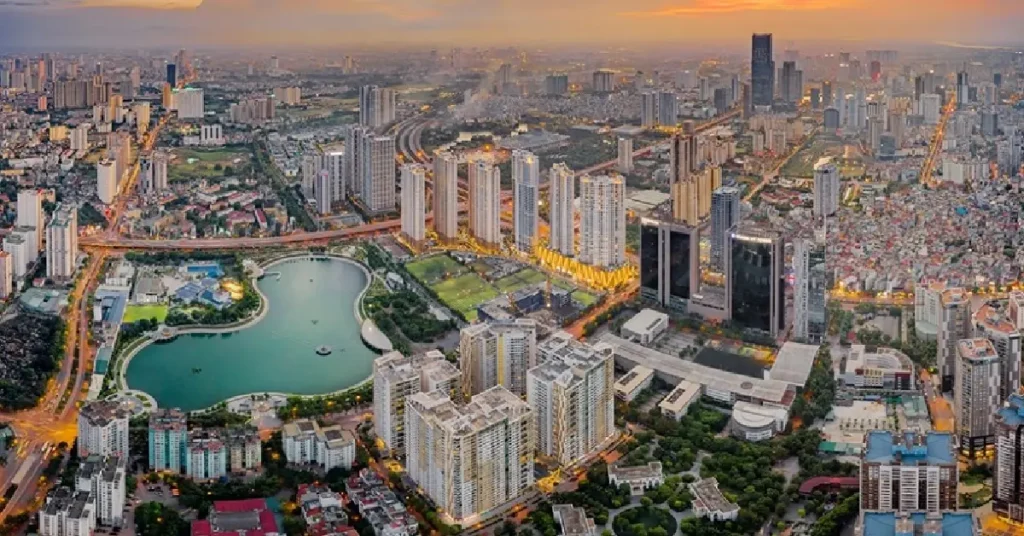
Planning a trip to Vietnam and wondering whether January is a bad time to visit? This is a question many travelers, students, and digital nomads ask—especially those coming from Europe, North America, or Africa during winter breaks.
Short answer: No, it’s not bad at all—but it depends on where you go and what you expect.
Long answer: Let’s break it down properly, based on real travel experiences, climate data, and practical insights.
This guide is written to help you make an informed decision, not to oversell Vietnam or discourage you unnecessarily.
Personal Experience: Why January in Vietnam Is Often Misunderstood
During my research and consultations for JobStudyTravel—especially with students and travelers planning study trips, short visits, or visa runs—January often comes up as a “risky” month. Many assume it’s either too cold or constantly raining.
However, from real-world travel reports, student exchanges, and firsthand accounts from travelers who visited Vietnam in January, a different picture emerges: January can actually be one of the most comfortable months, particularly in central and southern Vietnam.
The key is understanding Vietnam’s regional climate differences.
Understanding Vietnam’s Weather in January
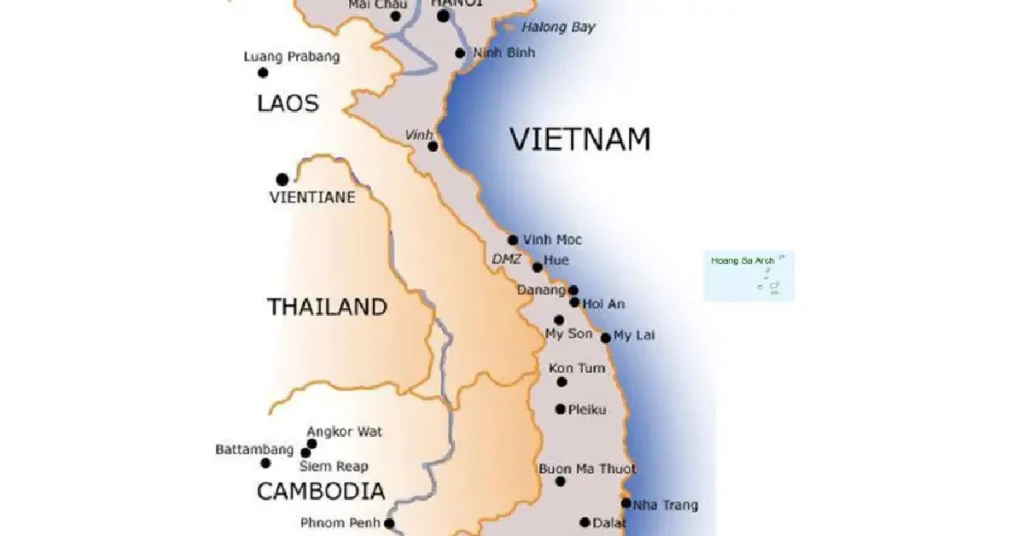
Vietnam stretches over 1,600 km from north to south, meaning the weather varies significantly by region.
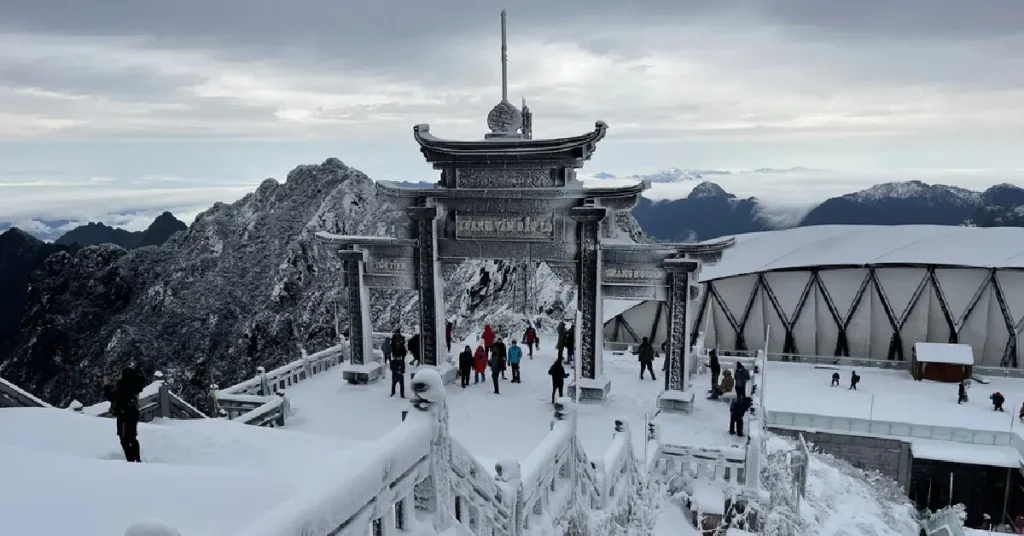
Northern Vietnam (Hanoi, Ha Long Bay, Sapa)
- Temperature: 10°C – 20°C
- Conditions: Cool, sometimes misty
- Rainfall: Low
- Key note: Feels colder due to humidity and lack of heating indoors
January is winter in the north. While snow is rare (except occasionally in Sapa), the chill can surprise travelers who expect tropical heat.
Central Vietnam (Da Nang, Hoi An, Hue)
- Temperature: 18°C – 25°C
- Conditions: Mild, pleasant
- Rainfall: Decreasing after monsoon season
This region is often ideal in January, with fewer storms compared to previous months.
Southern Vietnam (Ho Chi Minh City, Mekong Delta, Phu Quoc)
- Temperature: 25°C – 32°C
- Conditions: Dry and sunny
- Rainfall: Very low
January is part of the dry season, making it one of the best months to visit southern Vietnam.
Quick Comparison: Is January a Good Time by Region?
| Region | Weather Comfort | Rainfall | Tourist Experience | Verdict |
|---|---|---|---|---|
| North Vietnam | Cool & Misty | Low | Quiet, scenic | Depends |
| Central Vietnam | Mild & Drying | Moderate | Relaxed | Good |
| South Vietnam | Warm & Dry | Very Low | Peak season | Excellent |
Real-World Examples & Case Studies
Example 1: Student Tourist in Ho Chi Minh City
A Nigerian postgraduate student visited Ho Chi Minh City in January while exploring short-term courses. He reported excellent weather, affordable accommodation, and smooth city movement due to clear roads and dry conditions.
Lesson: January works very well for city-based travel and academic visits in southern Vietnam.
Example 2: Backpacker Experience in Hanoi
A European backpacker visiting Hanoi and Ha Long Bay in January found the scenery stunning but struggled with the cold indoors, as most accommodations lack central heating.
Lesson: January is visually beautiful in the north, but packing warm layers is essential.
Example 3: Couple Vacationing in Da Nang
A couple traveling from Asia chose Da Nang in January to avoid peak summer heat. They enjoyed mild weather, fewer tourists, and better hotel deals.

Lesson: Central Vietnam offers a balanced January experience—great weather without extreme crowds.
Advantages of Visiting Vietnam in January
- Comfortable temperatures (especially in the south)
- Lower rainfall compared to other months
- Lush landscapes in the north
- Ideal conditions for city tours and cultural exploration
- Vietnamese New Year (Tết) preparations begin, offering cultural insight
Potential Downsides to Consider
Tết (Vietnamese Lunar New Year)
- Occurs late January or early February
- Businesses may close for several days
- Transportation prices can increase
- Tourist areas may feel unusually quiet or busy, depending on the location
Cooler North
- Not ideal if you’re expecting tropical beach weather everywhere
- Fog may affect visibility in places like Ha Long Bay
Practical Travel Tips for January Visitors
- Pack light jackets if visiting northern or central regions
- Book transport early if traveling close to Tết
- Focus beach plans on southern destinations like Phu Quoc
- Confirm business hours during the Lunar New Year week
- Travel insurance is recommended, as with any international trip
Credible Sources for Weather & Travel Data
For accuracy, this guide aligns with data and insights from:
- Vietnam National Administration of Tourism (VNAT)
- World Meteorological Organization (WMO)
- Lonely Planet Vietnam travel guides
- Time and Date climate records
- Firsthand travel accounts from study-abroad participants
So, Is It Bad to Visit Vietnam in January?
No—it’s not bad at all.
In fact, January can be one of the best months to visit Vietnam if you plan wisely and choose the right region.
- Want beaches and warmth? Go south.
- Prefer culture and cooler weather? Central Vietnam is ideal.
- Love moody landscapes and fewer crowds? Northern Vietnam can be rewarding.
The idea that January is a “bad month” usually comes from misunderstanding Vietnam’s diverse climate.
Final Thoughts from JobStudyTravel
At JobStudyTravel, our goal is to provide honest, practical travel and study guidance—without hype or misleading claims. Vietnam in January isn’t perfect for everyone, but for many travelers, students, and explorers, it’s a strategic and rewarding choice.
Call to Action
Have you visited Vietnam in January, or are you planning to?
Leave a comment below and share your experience or questions