
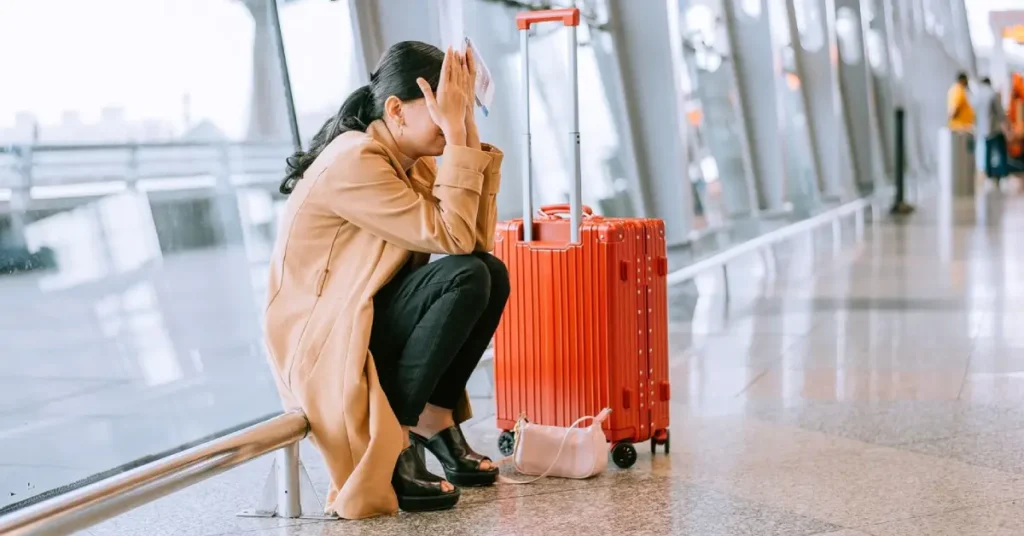

Traveling internationally for the first time can feel exciting—and overwhelming at the same time. Airports are busy, rules are strict, and small mistakes can cause delays, missed flights, or even denied boarding. Over the years, through personal travel experience and helping students and job seekers navigate international journeys, one thing has remained constant: most airport problems are avoidable if you know what to do and what not to do.

This guide is written specifically for first-time international travelers—students, tourists, and professionals—who want a smooth, stress-free airport experience. Everything here is practical, realistic, and aligned with real airport procedures used worldwide.
Understanding How International Airports Work
International airports operate under strict security, immigration, and customs laws governed by both local authorities and international aviation standards. Bodies such as the International Civil Aviation Organization (ICAO), Transportation Security Administration (TSA—U.S.), UK Border Force, and airport immigration services set the rules that airlines and passengers must follow.
Knowing these systems ahead of time gives you confidence and prevents unnecessary panic.
DOs at International Airports (What You Should Always Do)
1. Do Arrive Early—Earlier Than You Think
For international flights, arriving at least 3 hours before departure is not optional. This time covers:
- Airline check-in and baggage drop
- Security screening
- Immigration exit control
- Boarding procedures
From experience, travelers who arrive late often blame airport staff, but the rules are clear. Airlines can legally deny boarding if check-in counters close.
Real-world example:
In 2023, a Nigerian student traveling to Canada arrived 90 minutes before departure at Lagos airport. Check-in had closed, and despite having a valid visa, the airline denied boarding. The ticket was marked as “no-show,” and rescheduling cost over ₦600,000.
2. Do Keep Your Travel Documents Organized
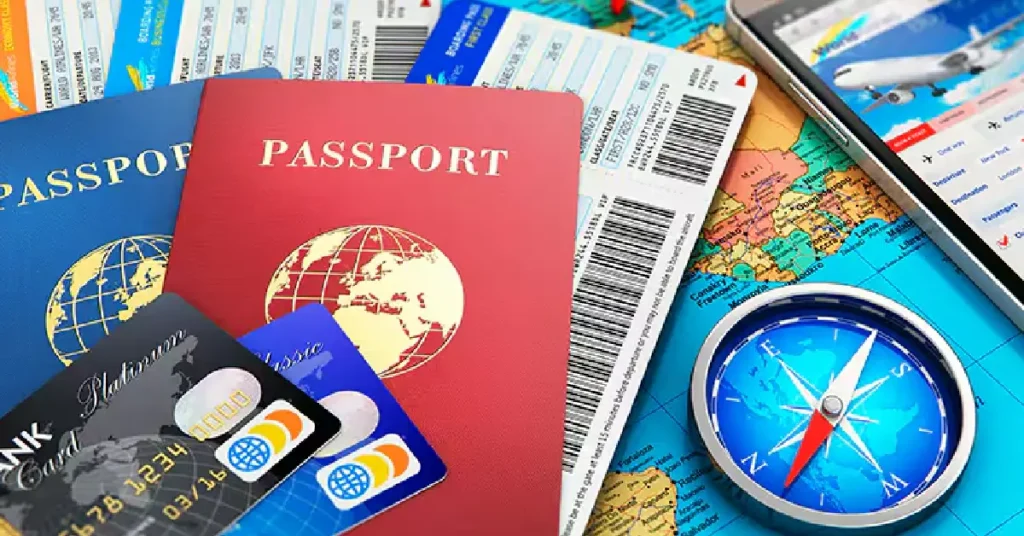
Always keep these in your hand luggage:
- International passport
- Visa (if required)
- Boarding pass
- Admission letter or job offer (for students/workers)
- Proof of funds or accommodation
- Return or onward ticket (if applicable)
Immigration officers may ask questions, and fumbling for documents creates suspicion.
Pro tip: Use a simple document folder or travel wallet. Never put passports in checked luggage.
3. Do Dress Smartly and Comfortably
Airports are not fashion runways, but appearance matters—especially at immigration.
- Avoid offensive slogans on clothing
- Dress modestly and neatly
- Choose comfortable shoes (you may stand or walk a lot)
While dressing well doesn’t guarantee approval, it helps create a positive first impression.
4. Do Answer Immigration Questions Honestly and Clearly
Immigration officers are trained to detect inconsistencies. Common questions include:
- Why are you traveling?
- How long will you stay?
- Where will you live?
- Who is sponsoring you?
Answer confidently and truthfully. Do not volunteer unnecessary information.
Credible reference:
According to the UK Home Office and U.S. Customs and Border Protection (CBP), misleading answers can lead to refusal of entry even with a valid visa.
5. Do Follow Security Screening Rules
Security rules are strict worldwide:
- Remove laptops and liquids when instructed
- Liquids must usually be under 100ml and placed in a clear bag
- No sharp objects in hand luggage
Security officers are not rude—they are enforcing international safety regulations.
DON’Ts at International Airports (Mistakes to Avoid)
1. Don’t Joke About Security or Immigration

Never joke about:
- Bombs
- Terrorism
- Illegal items
- Fake documents
Even casual jokes can lead to questioning, delays, or arrest.
Case study:
A traveler in Frankfurt jokingly told security he had “something dangerous” in his bag. He missed his flight and was detained for hours for questioning.
2. Don’t Carry Prohibited or Undeclared Items
Different countries ban or restrict items such as
- Certain foods (meat, seeds, fruits)
- Large sums of cash (undeclared)
- Medications without prescriptions
Always check official customs websites such as
Failure to declare items can result in fines or confiscation.
3. Don’t Use Your Phone Excessively at Restricted Areas
Some areas prohibit phone use, especially:
- Immigration counters
- Security checkpoints
Using your phone in restricted zones can attract attention or warnings.
4. Don’t Argue with Airport Officials
If there is an issue:
- Stay calm
- Ask politely for clarification
- Follow instructions
Arguing or raising your voice quickly escalates problems and may be recorded in your travel history.
Comparison Table: Good vs Bad Airport Practices
| Situation | Good Practice | Bad Practice |
|---|---|---|
| Arrival time | 3+ hours early | Arriving late |
| Documents | Organized and accessible | Searching through bags |
| Immigration answers | Clear and honest | Conflicting stories |
| Security checks | Cooperative | Argumentative |
| Luggage contents | Declared and legal | Undeclared items |
Real-World Case Studies
Case Study 1: Student Success
A first-time traveler to Germany carried all documents, including blocked account proof and a university admission letter. Immigration clearance took less than 5 minutes.
Case Study 2: Costly Oversight
A traveler to the UK carried food items without declaring them. Customs fined him and confiscated the items, causing unnecessary stress.
Case Study 3: Missed Flight Lesson
A business traveler underestimated security delays during peak season in Dubai. Late arrival resulted in rebooking fees and a missed meeting.
How to Prepare Before You Even Get to the Airport
Preparation starts days before travel:
- Read airline baggage rules
- Study destination immigration requirements
- Scan and email copies of documents to yourself
- Inform your bank of international travel
- Sleep well before travel day
These steps reduce anxiety and mistakes.
Trusted Sources for Airport and Travel Rules
For accurate and up-to-date information, always consult:
- International Civil Aviation Organization (ICAO)
- Airline official websites
- U.S. Customs and Border Protection (cbp.gov)
- UK Home Office (gov.uk)
- Canada Border Services Agency (cbsa-asfc.gc.ca)
These sources guide the policies applied at airports worldwide.
Conclusion: Travel Smart, Travel Confident
International airports don’t have to be scary. Most first-time traveler problems come from lack of information—not bad intentions. When you understand the rules, prepare your documents, and remain calm, airport procedures become straightforward.
At JobStudyTravel, the goal is to equip travelers, students, and professionals with accurate, practical, and trustworthy travel guidance based on real-world experience—not assumptions.
If this guide helped you, leave a comment below with your travel questions or experience.
For more trusted guides on studying, working, and traveling abroad, sign up for JobStudyTravel updates and never travel unprepared again



Pingback: What Immigration Officers Check at Arrival in the UK