

Introduction: What Really Happens at UK Border Control
On my first arrival in the UK, I assumed immigration clearance would be quick and uncomplicated. But while waiting at Heathrow Airport, I noticed a clear pattern—some travelers passed through without delay, while others were stopped for questioning or taken to a separate interview room.
This experience revealed an important truth: UK immigration officers do more than check passports. They assess a traveler’s intentions, credibility, travel history, and compliance with UK immigration laws.
If you are traveling to the UK for tourism, study, work, or family visits, understanding what UK immigration officers check on arrival is crucial. It can help you avoid delays, questioning, or even refusal of entry. In this guide, we explain what immigration officers look for, why these checks matter, and how to prepare effectively—using official UK guidance, real-life travel scenarios, and practical examples.
For general airport behavior and arrival preparation tips, you may also find this guide helpful: check here.
Who Are UK Immigration Officers?
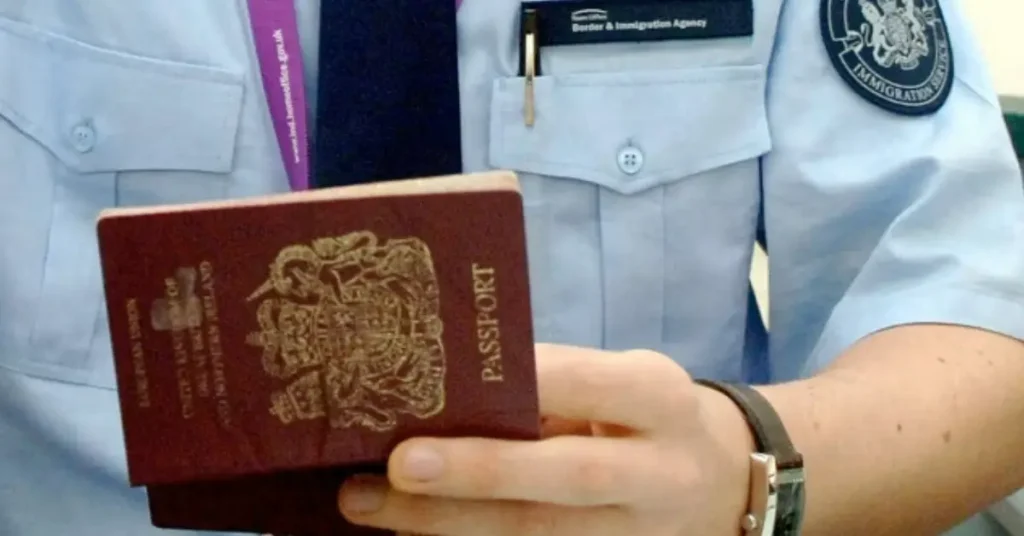
UK immigration officers, officially known as UK Border Force officers, operate under the Home Office. Their role is to:
- Enforce UK immigration laws
- Prevent illegal entry, overstaying, and illegal work
- Verify travelers’ intentions
- Protect national security
They operate at:
- Airports
- Seaports
- International rail terminals (e.g., Eurostar)
Official reference: https://www.gov.uk/government/organisations/border-force
What Immigration Officers Check at Arrival (UK)
1. Passport Validity and Travel History
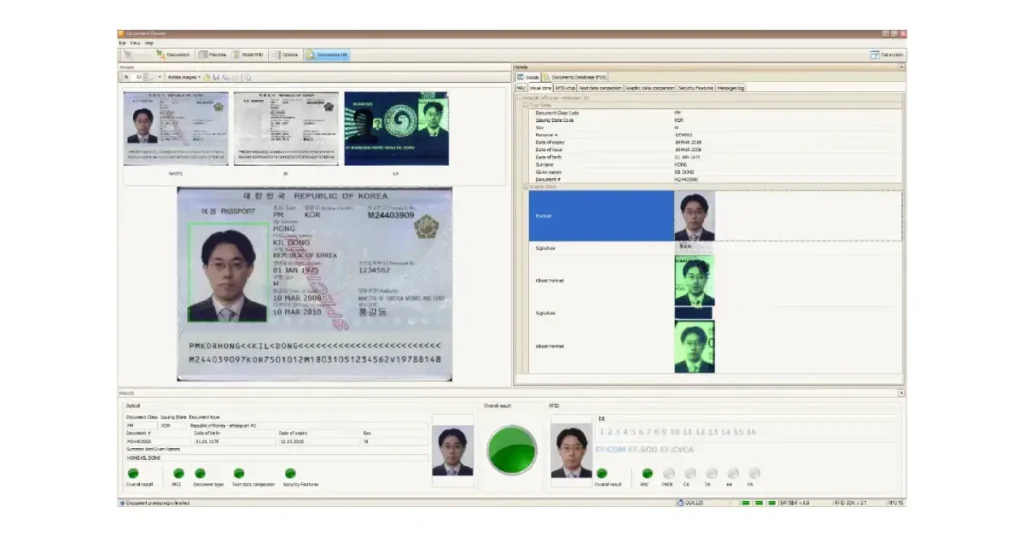
This is the first and most basic check.
Officers review:
- Passport validity and condition
- Entry and exit stamps
- Previous UK visits
- Visa refusals or overstays
- Travel patterns across multiple countries
Why this matters:
Your passport tells a story. Frequent long stays, repeated visits, or past immigration issues can trigger additional questioning.
Practical tip:
If you’ve had previous refusals or overstays, do not lie. Officers already have access to your records.
2. Visa Type and Visa Conditions
If you require a visa, officers confirm:
- The visa category (visitor, student, work, family)
- Valid dates
- Number of allowed entries
- Sponsorship or CAS details (for students and workers)
Entering on the wrong visa—or planning activities not allowed under your visa — is one of the fastest ways to be refused entry.
For clarity on visitor limitations, see:
https://jobstudytravel.com/uk-visitor-visa-rules
Official source: https://www.gov.uk/check-uk-visa
3. Purpose of Travel (One of the Most Important Checks)
Almost every traveler is asked:
“Why are you coming to the UK?”
Officers assess:
- Consistency between your answer and your visa
- Confidence and clarity
- Supporting documents
Examples:
- Tourists: itinerary, places to visit
- Students: course name, university, duration
- Workers: employer, job role
- Family visitors: relationship evidence
Key rule:
Your explanation must match your documents and visa conditions.
4. Proof of Funds and Financial Capacity
UK immigration officers must be satisfied that you can support yourself without working illegally.
They may ask for:
- Recent bank statements
- Cash or card access
- Sponsorship letters
- Student maintenance evidence
There is no fixed cash amount for visitors, but officers assess whether your funds are reasonable for your length of stay.
If funds are unclear, this often links to refusal reasons explained here:
https://jobstudytravel.com/reasons-uk-visa-refusal
Official guidance: https://www.gov.uk/standard-visitor
5. Accommodation and Return or Onward Travel
Officers usually ask:
- Where will you stay?
- Who are you staying with?
- When will you leave the UK?
They may request:
- Hotel bookings
- Host invitation letter
- Proof of address
- Return or onward ticket
Red flag:
A one-way ticket with no convincing exit plan.
6. Employment or Study Ties to Your Home Country
This check helps officers determine whether you intend to leave the UK at the end of your stay.
They may consider:
- Employment letters
- School or university enrollment
- Business ownership
- Family responsibilities
Strong ties reduce the risk of being viewed as a potential overstayer.
Related guide:
https://jobstudytravel.com/study-abroad-application-mistakes
7. Luggage and Personal Belongings
Yes—luggage can matter.
Officers may question travelers who:
- Carry excessive work tools
- Have CVs or job applications on a visitor visa
- Pack as if relocating permanently
This doesn’t automatically mean refusal, but it often leads to secondary screening.
Comparison Table: Smooth Entry vs Problematic Entry
| Factor | Smooth Entry | High-Risk Entry |
|---|---|---|
| Visa purpose | Clear and consistent | Conflicting intentions |
| Funds | Adequate and provable | Insufficient or unclear |
| Travel history | Clean | Overstays or refusals |
| Accommodation | Confirmed | Unclear or missing |
| Return ticket | Present | One-way |
| Answers | Calm and honest | Vague or evasive |
Real-World Case Studies
Case Study 1: Student Entry—Smooth Clearance
Profile: Nigerian student with UK Student Visa
Outcome: Entered without delay
What helped:
- CAS letter available
- Clear knowledge of course and school
- Maintenance funds evidence
Related resource:
https://jobstudytravel.com/cheapest-countries-to-study-abroad-2026
Lesson: Preparation outweighs anxiety.
Case Study 2: Visitor Refused Entry
Profile: Visitor visa holder
Outcome: Refused at border
Problems:
- Claimed tourism but carried CVs
- No return ticket
- Mentioned “looking for opportunities”
Lesson: Casual statements can have serious consequences.
Case Study 3: Secondary Screening but Allowed Entry
Profile: First-time UK visitor
Outcome: Delayed but admitted
Why questioned:
- One-way ticket
- Staying with a friend
What saved the situation:
- Invitation letter
- Proof of employment back home
- Honest responses
Learn more about screening here:
https://jobstudytravel.com/airport-immigration-screening
What Happens During Secondary Screening?
Secondary screening means:
- Additional questioning
- Document verification
- Short waiting period
It is not an arrest.
Your responsibility:
- Stay calm
- Answer honestly
- Cooperate respectfully
How to Prepare Before Traveling to the UK
Arrival Checklist
- Valid passport
- Correct visa
- Printed documents
- Proof of funds
- Accommodation details
- Return ticket
- Employment or school letter
Pro tip: Always carry printed copies, even if documents are digital.
Common Myths About UK Immigration
“A visa guarantees entry.”
Entry is always at the officer’s discretion
“Visitors aren’t checked closely.”
Visitors are often scrutinized most
“Confidence means exaggerating.”
Confidence comes from truth and preparation
Conclusion: Entry Is About Credibility, Not Fear
UK immigration officers are trained to assess intent, consistency, and compliance—not to intimidate travelers. When your documents, explanations, and visa conditions align, entry is usually smooth.
Understanding what immigration officers check at arrival in the UK helps you travel confidently and legally.
For more reliable travel and immigration guides, explore:
https://jobstudytravel.com/immigration-guides
Have you experienced UK immigration questioning before?
Share your experience in the comments—it could help another traveler.