

A Reality Many Don’t Expect
As someone who regularly reviews visa pathways, study permits, and post-arrival immigration compliance for readers of jobstudytravel, I’ve seen how quickly dreams can turn into distress when immigration rules are misunderstood or ignored. Over the years, I’ve interacted with international students, work permit holders, and visitors—some thriving in Canada, others suddenly facing removal orders.
The recent reports that Canada has deported 366 Nigerians, with another 974 awaiting removal, are not just statistics. They represent real people, disrupted plans, and hard lessons for current and aspiring migrants. This article explains what’s happening, why it’s happening, and what Nigerians—and other international migrants—can realistically learn from it.
What Happened? Understanding the Deportation Figures
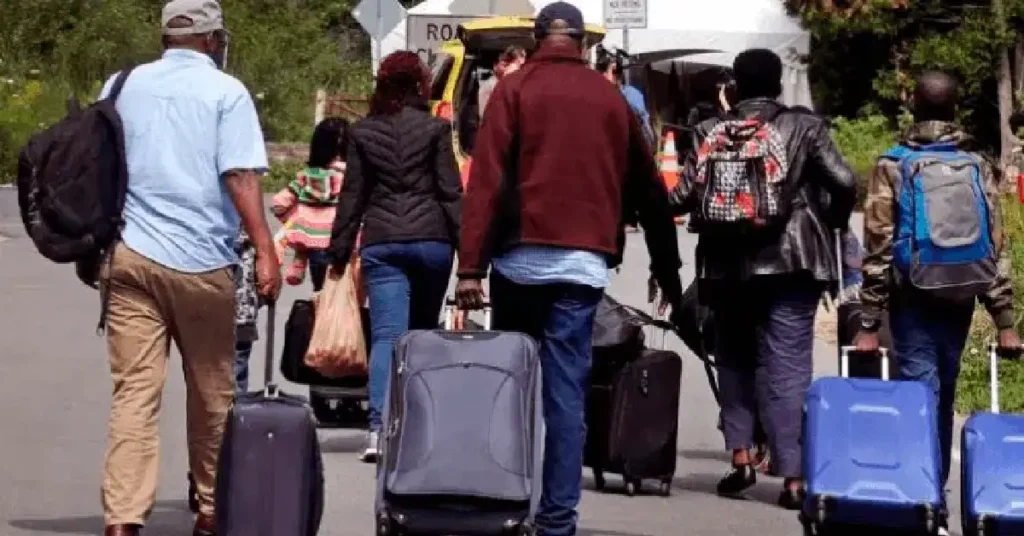
Canadian immigration authorities have confirmed that they have deported 366 Nigerian nationals, while another 974 are currently undergoing the removal process. The Canada Border Services Agency (CBSA) is carrying out these actions under Canadian immigration law.
Removal does not happen overnight. In most cases, affected individuals have gone through:
- Visa overstays
- Refugee or asylum claim refusals
- Breach of study or work permit conditions
- Criminal inadmissibility or misrepresentation
Key point: Deportation is usually the final stage after appeals and reviews have been exhausted.
Who Is Responsible for Deportations in Canada?

The Role of CBSA and IRCC
Two major institutions handle immigration enforcement:
- Immigration, Refugees and Citizenship Canada (IRCC): Manages visas, permits, and status decisions
- Canada Border Services Agency (CBSA): Enforces removals and deportations
Once IRCC refuses an application or status, CBSA becomes responsible for enforcing departure.
Credible references include:
- Canada Border Services Agency (cbsa-asfc.gc.ca)
- Immigration, Refugees and Citizenship Canada (canada.ca/ircc)
Why Are Nigerians Affected in Large Numbers?
Common Reasons Behind the Deportations
Based on official Canadian immigration enforcement patterns, Nigerians—like many other nationals—often face removal due to the following:
- Overstaying visas after study or visitor permits expire
- Failed asylum claims where no humanitarian relief applies
- Unauthorized work or study outside permit conditions
- Misrepresentation, including false documents or inconsistent information
Canada’s immigration system is generous but rule-based. When compliance breaks down, enforcement follows.
Real-World Case Studies
Case Study 1: International Student Who Overstayed
A Nigerian postgraduate student completed a one-year program but failed to secure a Post-Graduation Work Permit (PGWP). Without legal advice, the student remained in Canada beyond status validity. After several warnings, CBSA issued a removal order.
Lesson: Always track permit expiry dates and seek professional guidance early.
Case Study 2: Failed Asylum Claim
A Nigerian visitor applied for refugee protection, citing personal insecurity. The Immigration and Refugee Board rejected the claim due to insufficient evidence. Appeals failed, leading to deportation.
Lesson: Asylum claims must meet strict legal thresholds, not general hardship.
Case Study 3: Work Permit Violation
A temporary foreign worker switched employers without updating IRCC. This breach invalidated the permit. CBSA later enforced removal.
Lesson: Even minor permit violations can carry serious consequences.
Deportation vs Removal vs Voluntary Departure (Comparison Table)
| Status Type | Description | Consequences |
| Voluntary Departure | Leaving Canada willingly before enforcement | Least severe, may reapply |
| Removal Order | Legal order to leave Canada | Re-entry restrictions |
| Deportation Order | Forced removal by CBSA | Long-term ban, authorization required |
Understanding these distinctions can save years of future immigration trouble.
What Happens to the 974 Nigerians Awaiting Removal?
Individuals awaiting removal may still:
- File humanitarian and compassionate (H&C) applications
- Request judicial review at the Federal Court
- Seek temporary deferrals under special circumstances
However, none of these options guarantee success. Each case is assessed individually.
What This Means for Students, Workers, and Visitors
Practical Advice for Nigerians Planning to Go to Canada
From firsthand experience analyzing real immigration outcomes, the following steps have proven highly effective in significantly reducing risk:
- Keep copies of all permits and approval letters
- Never work or study outside authorized limits
- Apply for extensions at least 30–60 days before expiry
- Avoid unlicensed “agents” or shortcuts
- Use licensed Canadian immigration consultants or lawyers
Canada remains welcoming—but only to those who follow the rules.
Is Canada Targeting Nigerians?
No official policy targets Nigerians specifically. Deportations are status-based, not nationality-based. Nigerians appear prominently simply because Canada hosts a large Nigerian student and migrant population.
Note
This article draws on public CBSA data, IRCC policies, and real-world immigration outcomes—not speculation or fear-mongering.
Conclusion: A Wake-Up Call, Not a Closed Door
The deportation of 366 Nigerians and pending removal of 974 others is a serious reminder that immigration success depends on compliance, preparation, and credible guidance. Canada continues to offer strong opportunities for study, work, and permanent residence, but success depends on meeting and maintaining all immigration requirements.
At Job Study Travel, our goal is to help you make informed, lawful, and future-proof decisions.
Call to Action
Have questions about studying, working, or staying legally in Canada?
Leave a comment below.