

Morocco’s recent infrastructure developments and world-class facilities have sparked discussions among journalists and football enthusiasts, urging the Confederation of African Football (CAF) to consider allowing Morocco to host the African Cup of Nations (AFCON) perpetually. Having visited Morocco during the 2022 FIFA World Cup qualifiers and toured its major cities, I experienced firsthand the country’s remarkable readiness for international sporting events.
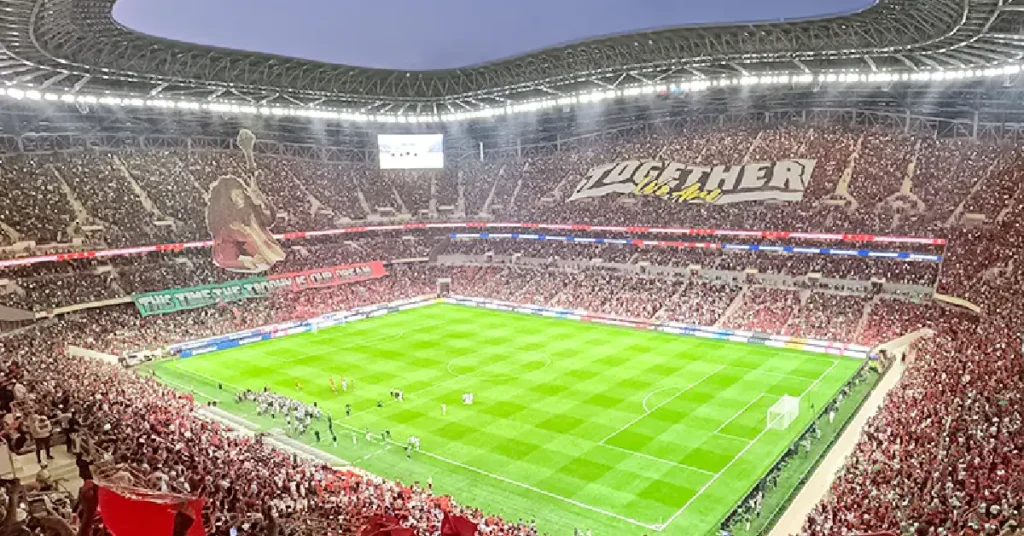
Why Morocco Stands Out as a Host Nation and Travel Destination
Morocco has transformed itself into a model for sporting excellence in Africa. Several key factors demonstrate why it could be the ideal perennial host for AFCON.
Advanced Transportation Networks
One of the most impressive features is Morocco’s high-speed rail network, capable of moving passengers at 320 km per hour. This makes travel between host cities fast, efficient, and safe. For example:
- Casablanca to Tangier: Approximately 2 hours instead of 5.
- Marrakech to Casablanca: Just under 3 hours.
This connectivity ensures players, officials, and fans experience minimal travel fatigue, crucial for maintaining high-performance levels.
World-Class Stadiums and Security
Morocco’s stadiums are modern and well-maintained. They include:
- Stade Mohammed V (Casablanca): Seating 67,000 with cutting-edge facilities.
- Stade de Marrakech: Hosting 45,000 with top-tier VIP sections.
- Stade Ibn Batouta (Tangier): Fully renovated with advanced turf and seating systems.
Security is another cornerstone. The country employs rigorous protocols, including surveillance systems, trained personnel, and quick response units. This ensures that both local and international fans can enjoy matches without safety concerns.
Hospitality, Tourism, and Travel Experience
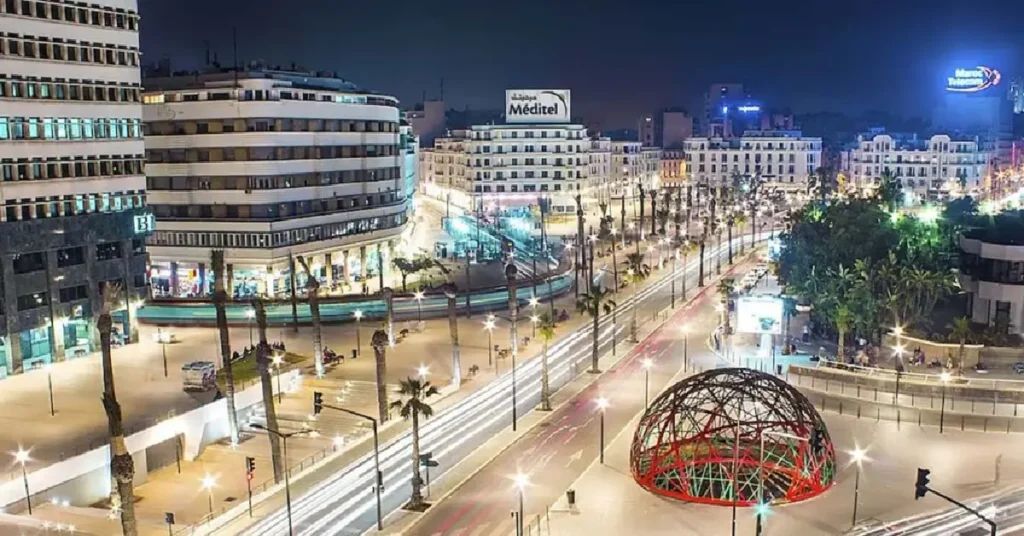
Morocco boasts an abundance of five-star hotels, clean streets, reliable electricity, and travel-friendly infrastructure that appeals strongly to international visitors, football tourists, and event travelers. Tourists can easily access luxury accommodations near stadiums and tourist attractions. The country also welcomes a massive influx of football lovers, creating a vibrant, festive atmosphere. Popular cities for visitors include Casablanca, Marrakech, and Rabat, which offer not only football but also cultural tourism.
Case Studies of Successful Hosting
1. Morocco 1988 AFCON
Morocco successfully hosted the 1988 AFCON, demonstrating strong organizational capacity. The matches ran on schedule, transportation was reliable, and fans reported high satisfaction.
2. FIFA Club World Cup 2013 & 2014
Morocco hosted the FIFA Club World Cup twice within two years, showcasing stadium readiness, security management, and hospitality standards comparable to Europe’s best.
3. 2022 FIFA World Cup Qualifiers and Friendlies
During the 2022 World Cup qualifiers, Morocco’s home matches attracted thousands of fans, with seamless ticketing, transportation, and safety. International media praised Morocco for its professionalism, further bolstering its case.
Comparative Analysis: Morocco vs. Other AFCON Hosts
| Feature | Morocco | Egypt | South Africa |
|---|---|---|---|
| Stadium Quality | State-of-the-art, fully modern | Mixed, some renovations needed | Excellent, FIFA-approved |
| Transportation | High-speed rail, reliable roads | Moderate | Good, but congested in cities |
| Security | Highly advanced, stringent | Adequate, some challenges | Strong but variable |
| Hospitality | Abundant 5-star hotels | Limited luxury in some cities | Strong tourism infrastructure |
| Tourist Appeal | Rich culture & clean cities | Historical sites, crowded | Natural beauty, expensive |
From this comparison, Morocco emerges as a leading contender for a long-term AFCON host due to a balanced mix of infrastructure, safety, and tourist appeal.
Challenges and Considerations
While Morocco is ideal, CAF must weigh several factors before granting perpetual hosting rights:
- Equitable Representation: Other African nations may argue for hosting rights to promote football development.
- Rotational Tradition: AFCON has historically rotated among regions to encourage inclusivity.
- Financial Implications: Long-term hosting involves significant investment from Morocco and CAF in maintaining top-tier standards.
Despite these challenges, Morocco’s existing investment in sports infrastructure and tourism readiness makes a compelling argument.
Conclusion: What This Means for Football Travelers and Tourists
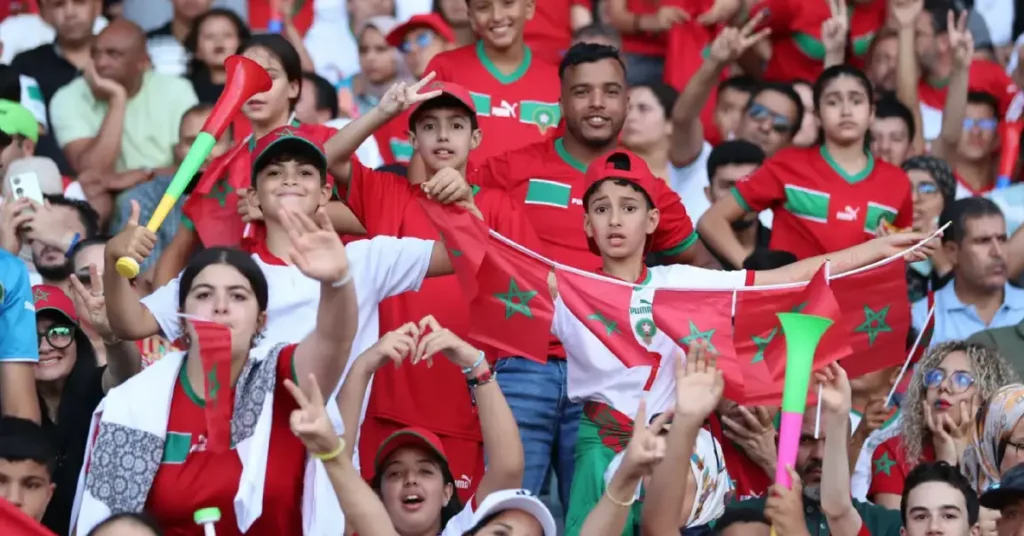
Morocco’s high-speed rails, advanced stadiums, strict security, luxurious accommodations, and welcoming environment create an almost unmatched sporting ecosystem in Africa. Journalists and football experts suggest that granting Morocco perpetual hosting rights for AFCON could raise the tournament’s global profile and improve the fan experience.
Do you think Morocco should host AFCON every year, especially considering the travel, tourism, and economic benefits for fans across Africa and beyond, or should CAF maintain the rotation policy? Share your thoughts in the comments below.