
For many travelers, December 31 is synonymous with fireworks, countdowns, and loud celebrations. However, while researching destinations for international travel guides on JobStudyTravel, it became clear that New Year’s Day is not universally observed in the same way—or at all.
This discovery often surprises first-time travelers, students, and job seekers relocating abroad. In some countries, cultural, religious, or historical calendars take precedence over the Gregorian calendar, making January 1 a normal day rather than a festive one.
Understanding this difference is not just interesting—it helps travelers avoid cultural misunderstandings and plan trips more responsibly. Below are five countries where the Gregorian New Year is not widely celebrated, explained with cultural context, real-world examples, and practical travel insights.
Why Some Countries Don’t Celebrate January 1
Globally, calendars are shaped by religion, history, and tradition. While the Gregorian calendar dominates international business and travel, several nations prioritize:
- Lunar calendars
- Islamic (Hijri) calendars
- Ancient national calendars
- Revolutionary or ideological traditions
As a result, New Year celebrations may fall on completely different dates—or not exist in public life at all.
1. North Korea
Why New Year Isn’t a Major Event
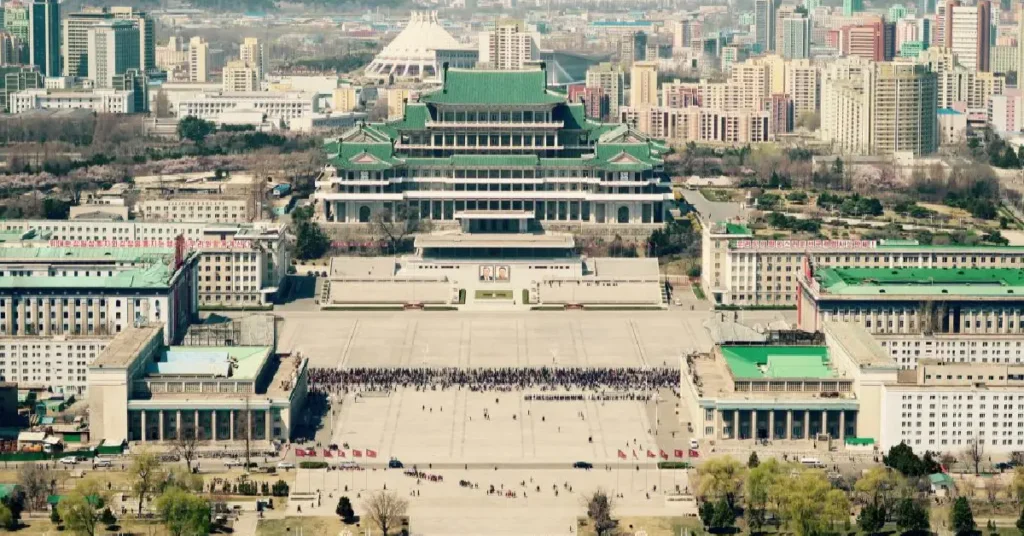
In North Korea, January 1 exists on the calendar but does not carry the same cultural weight seen in many countries. Instead, national ideology and leadership anniversaries are emphasized.
More important celebrations include:
- The Day of the Sun (April 15 – Kim Il-sung’s birthday)
- The Day of the Shining Star (February 16 – Kim Jong-il’s birthday)
- Korean Lunar New Year (Seollal)
Real-World Example
Tour operators such as Koryo Tours have noted that foreign visitors in Pyongyang during late December experience a quiet atmosphere, with minimal public countdowns or street celebrations. Official events focus on state unity rather than seasonal festivities.
Practical tip: Travelers should not expect fireworks or parties on December 31. Cultural sensitivity is essential.
2. Ethiopia
A Completely Different Calendar
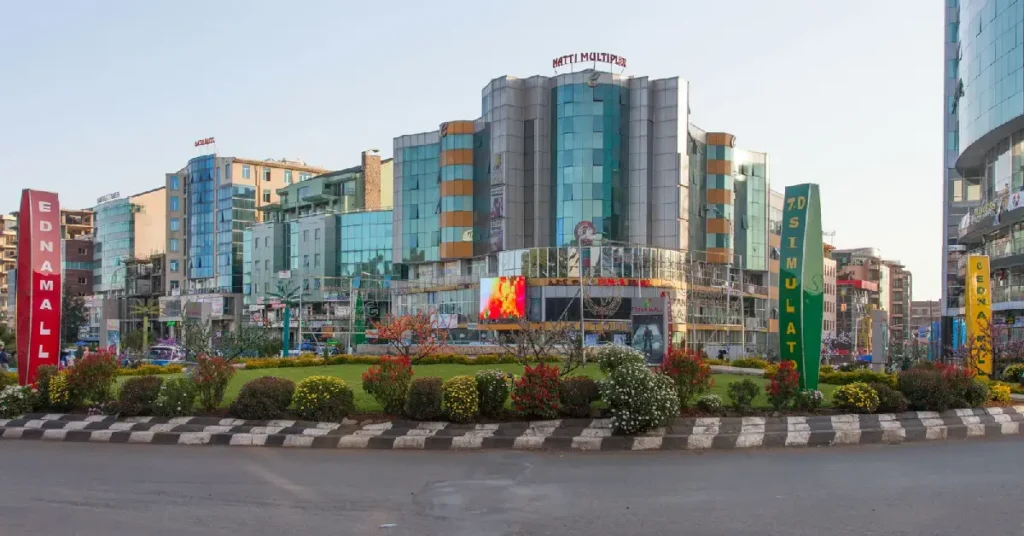
Ethiopia uses the Ethiopian calendar, which is about 7–8 years behind the Gregorian system and consists of 13 months.
- Ethiopian New Year is called Enkutatash
- Celebrated in September, after the rainy season
- January 1 holds little cultural relevance
Real-World Example
A travel researcher documenting cultural festivals in Addis Ababa observed that offices and markets operate normally on January 1, while September sees large public celebrations, music, and family gatherings.
Why it matters: Students or workers relocating to Ethiopia often misunderstand public holidays without knowing about the calendar difference.
3. Iran
Nowruz Over January 1
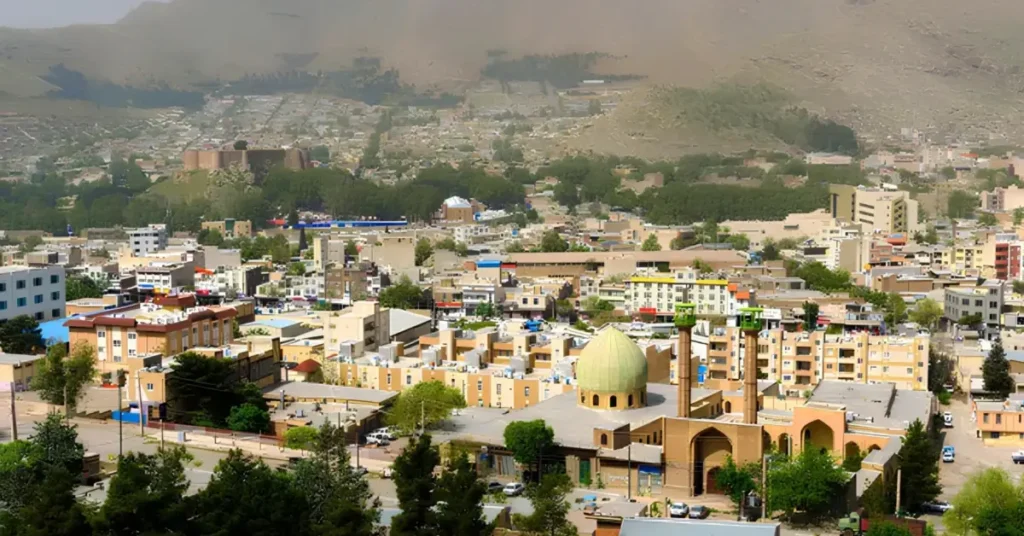
Iran celebrates Nowruz, the Persian New Year, which begins on the vernal equinox (around March 21). Rooted in over 3,000 years of history, Nowruz symbolizes rebirth, nature, and renewal.
- Recognized by UNESCO as an Intangible Cultural Heritage
- January 1 has little traditional significance
- Public holidays align with Nowruz, not Gregorian New Year
Real-World Example
International students studying in Tehran often report that universities remain open in early January but close for extended holidays in March during Nowruz.
Credible reference: UNESCO Nowruz documentation
4. Afghanistan
Cultural Continuity Despite Challenges
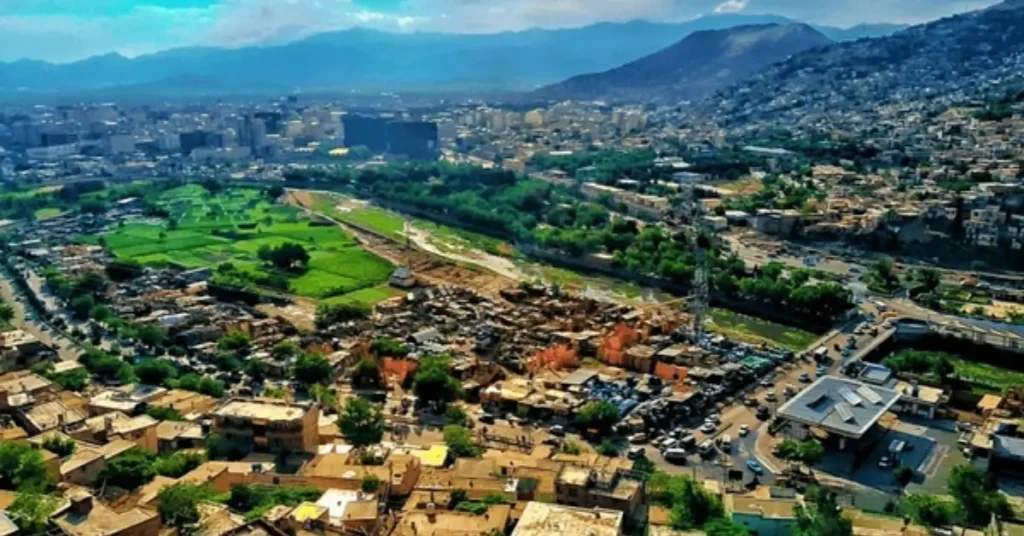
Afghanistan also prioritizes Nowruz over the Gregorian New Year. While political conditions have affected public events in recent years, culturally, January 1 is not a traditional celebration.
- Based on the Persian solar calendar
- Nowruz marks the beginning of the year
- Deeply tied to agriculture and seasonal cycles
Real-World Example
Before recent restrictions, cities like Mazar-i-Sharif hosted Nowruz festivals that attracted visitors from neighboring regions, while January passed quietly.
Traveler insight: Cultural observances can exist even when public celebrations are limited.
5. Saudi Arabia
Islamic Calendar Takes Priority
Saudi Arabia primarily follows the Islamic (Hijri) calendar, which is lunar-based.
- New Year is observed as Islamic New Year (Muharram)
- Public Gregorian New Year celebrations are rare
- Religious traditions guide public life
Real-World Example
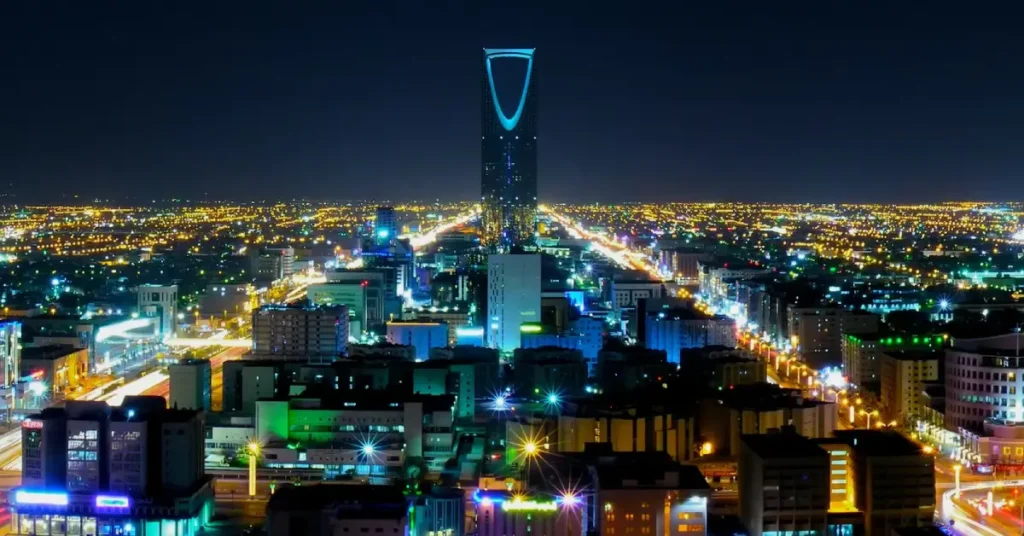
Expat workers in Riyadh consistently note that December 31 is a regular workday, with no official countdowns or public festivities, unlike in Western countries.
Authoritative source: Saudi Ministry of Islamic Affairs
Comparison Table: New Year Observance by Country
| Country | Calendar Used | New Year Celebrated | When It Occurs |
|---|---|---|---|
| North Korea | Gregorian (limited use) | Lunar New Year | Jan/Feb |
| Ethiopia | Ethiopian Calendar | Enkutatash | September |
| Iran | Persian Solar Calendar | Nowruz | March 21 |
| Afghanistan | Persian Solar Calendar | Nowruz | March 21 |
| Saudi Arabia | Islamic (Hijri) Calendar | Islamic New Year | Varies yearly |
Why This Knowledge Matters for Travelers
Understanding local calendars helps:
- Avoid cultural misunderstandings
- Plan travel dates effectively
- Understand public holidays and closures
- Respect local traditions
At JobStudyTravel, this insight is particularly useful for:
- International students
- Job seekers relocating abroad
- Cultural researchers
- Travel bloggers and planners
Final Thoughts
New Year celebrations are not universal, and that’s part of what makes global travel fascinating. Countries like Ethiopia, Iran, Saudi Arabia, Afghanistan, and North Korea remind us that time itself is viewed differently across cultures.
By learning these differences, travelers become more informed, respectful, and prepared—qualities that define meaningful global exploration.
Join the Conversation
Have you visited a country where January 1st felt like a normal day?
Share your experience in the comments below.